





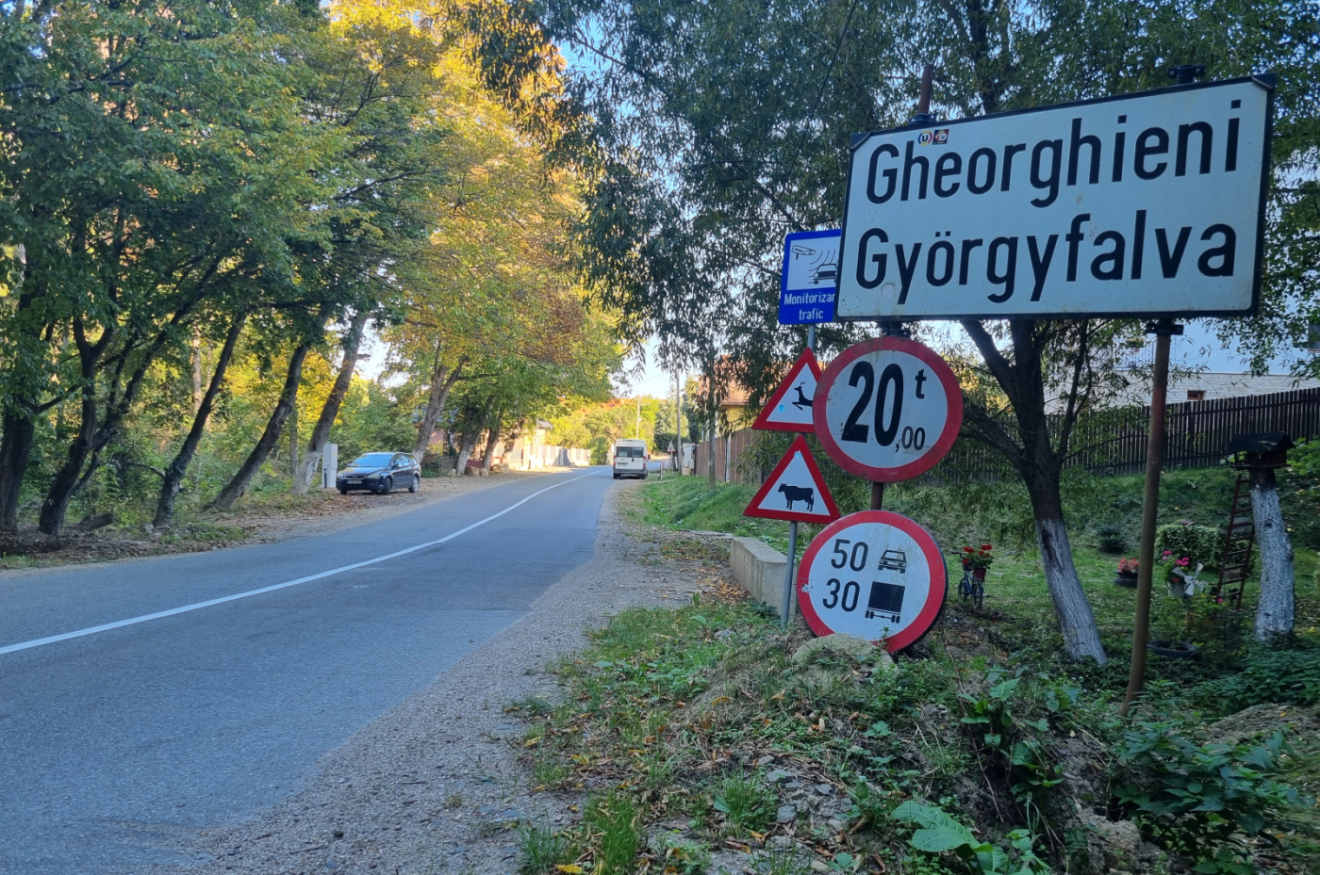
Hungarian street names are coming as well. Visitors to Györgyfalva will now arrive on Károly Kós Street
Fotó: Páva Adorján
Barely a decade ago, carved wooden signs displaying traditional Hungarian street names in Györgyfalva (Gheorghieni), near Kolozsvár (Cluj-Napoca), had to be hurriedly taken down. Today, by contrast, newly issued electronic national identity cards record official residential addresses as Strada Felső and Strada Berekalja. A Romanian-majority commune has succeeded where many local administrations in Szeklerland have stumbled. How exactly did the Hungarian deputy mayor convince the Romanian local councilors of Erdőfelek (Feleacu)? We spoke with Sándor Soós, the initiator and primary "implementer" of the "Györgyfalva model", about Hungarian street names, administrative prowess, and a workable formula for Romanian–Hungarian coexistence.
2026. október 16., 21:222026. október 16., 21:22
(Our original Hungarian-language article can be read here.)
Berekalja, Dűlő, Felső, Köves, Nagyszálas, Vágás, Zsák: these traditional Hungarian street names are now entered directly into the Romanian identity cards of Györgyfalva residents. Exactly like that: in Hungarian, complete with diacritics. This minority achievement in the "Hungarian island" near Kolozsvár is not an earth-shattering event, yet in Romanian-majority municipalities – the village belongs to the commune of Erdőfelek, headed by a Romanian mayor – it is likely unprecedented, and it remains a rarity even in purely Hungarian-populated areas.
For this very reason, the street nomenclature already applied in official documents could represent a breakthrough in the Transylvanian struggle for mother-tongue rights, serving as an undeniably positive, exemplary precedent amidst the maze of administrative bureaucracy and persistent obstacles to minority rights enforcement.
The data has already been entered into the National Electronic Street Nomenclature Register (RENNS). Through this procedure, the designations were formally integrated into state records: the new electronic identity cards issued in the commune of Erdőfelek, including Györgyfalva, already feature the new street names. This applies to a settlement where official street names did not previously exist; older identity cards listed only house numbers without street designations.
It is well known that in most Hungarian-inhabited – and in many cases entirely Hungarian – settlements, efforts have typically focused at best on bilingualism (such as Strada Morii / Malom utca). This often resulted in disputes and litigation over whether the Hungarian designation could appear at all, and if so, which language should take precedence on physical signage (placed first or on top), or whether both could appear on a single line. In several localities, attempts were made to display historic Hungarian or Saxon designations by installing "tourist signs" differing in design and format from official signage, achieving mixed results.
A few street nomenclatures were identified in Szeklerland that – similarly to Györgyfalva – render Hungarian names as the official street names (such as Alszeg, Kicsi, Malom utca). However, this practice is far from widespread, particularly under the administration of a Romanian mayor in a Romanian-majority commune.
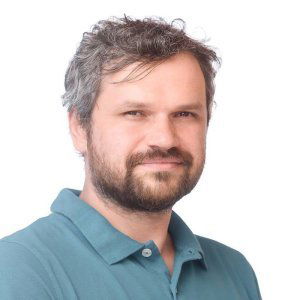
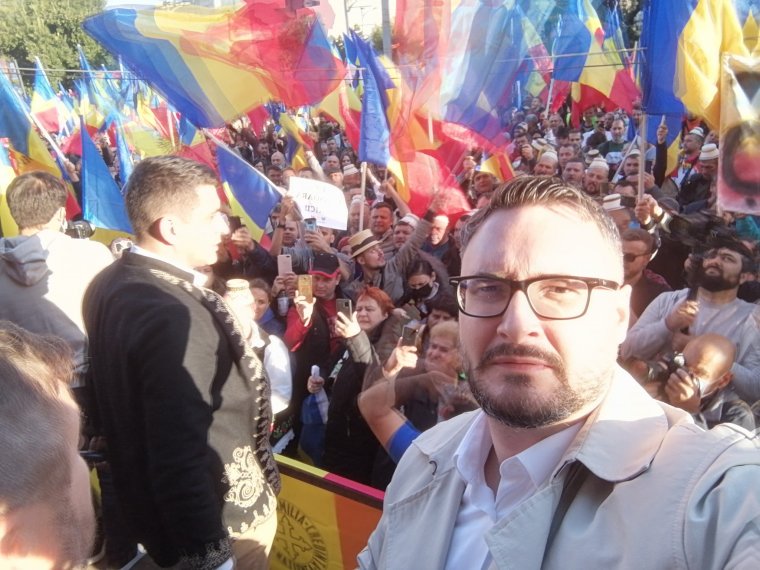
In the interview below, we get insights from Sándor Soós – a resident of Györgyfalva, the initiator of the project, and deputy mayor of Erdőfelek – about the "Györgyfalva method."
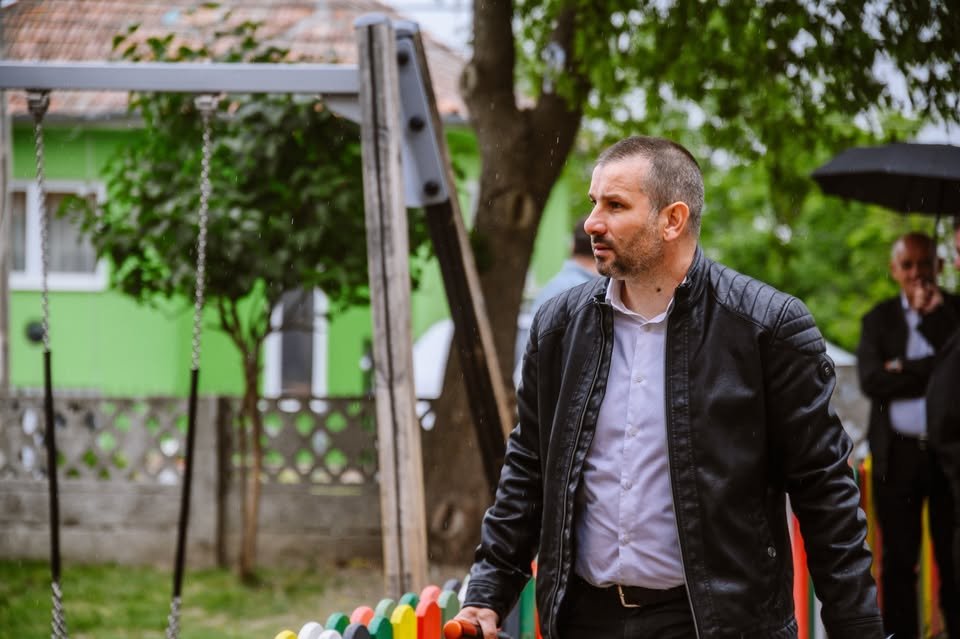

Sándor Soós, the architect behind the success of Györgyfalva’s Hungarian street names
Fotó: Facebook/Soós Sándor
– Nearly ten years ago, carved wooden signs appeared in Györgyfalva displaying traditional Hungarian street names. Within days, however, these attractive information plaques vanished. What happened back then?
– The traditional street names of Györgyfalva were well known and used by locals, but newcomers were unfamiliar with them. Interestingly, an initiator among the new residents requested a list of the street names, had the informational plaques – which could also be regarded as tourist markers – made, and they were mounted, mostly on fences.

And since these were not official street names but traditional Hungarian designations, the initiators did not wait for the dispute to enter legal proceedings; they took them down.
– In recent years, growing legal and administrative pressure has been placed on local authorities of settlements without official street names to adopt proper nomenclature. Did this obligation play into the hands of the long-dormant civic initiative in Györgyfalva?
– A few years ago, the process of naming streets began here as well. Across the commune, it was particularly necessary in Erdőfelek, where house numbering had become untraceable. There was an entire street where the alphabet had literally run out of letters for sub-numbers. In every settlement, the local councilors were tasked with drafting the proposed street-naming package.
– Over the past decade, your work as a community organizer in Györgyfalva expanded into public administration and elected office, closely intertwined with the mandates of Mayor Gabriel Costea of Erdőfelek. You worked together initially as his personal advisor, then as municipal administrator, and since the 2024 elections as deputy mayor. How did you find common ground?
– Over the course of ten years, we have launched more than 70 projects, nearly 50 of which have already been completed. Our commune was severely underdeveloped: there was neither a centralized drinking water network nor a sewage system, only 20% of the streets were paved, and the condition of schools and kindergartens was inadequate to accommodate the growing number of children. There was a lot of ground to make up.
With such a volume of work, the division of labor went smoothly. I primarily focused on the affairs of the Hungarian community—which accounts for 20% of the population—and ongoing projects in Györgyfalva. There, the complete modernization of public lighting, the construction and commissioning of the water network, and road paving have all been carried out. The sewage network will also be operational soon, and the complete renovation and expansion of the school has gotten underway.
– Is shared work and mutual trust alone enough for traditional Hungarian street names – such as Berekalja, Dűlő, Farkasverem, Felső, Kishíd, Körmös, Köves, Láb, Nagyszálas, Vágás, Zsák – to be approved in a Hungarian-majority village of a Romanian-majority commune? Were there objections? How did you convince the Romanian councilors, and what compromises or promises had to be made to secure passage for the draft?
– As I mentioned, compiling the street names was left to the local councilors in each village. Since Györgyfalva currently has four representatives on the local council – three from the RMDSZ (Democratic Alliance of Hungarians in Romania) and one from the PSD (Social Democratic Party) – this group had to reach consensus first.
The only request was that on streets where no traditional Hungarian name was in use and which are predominantly inhabited by Romanian families, Romanian names should also be considered. The rest retained the traditional street names that the residents of Györgyfalva have used for decades, perhaps centuries.
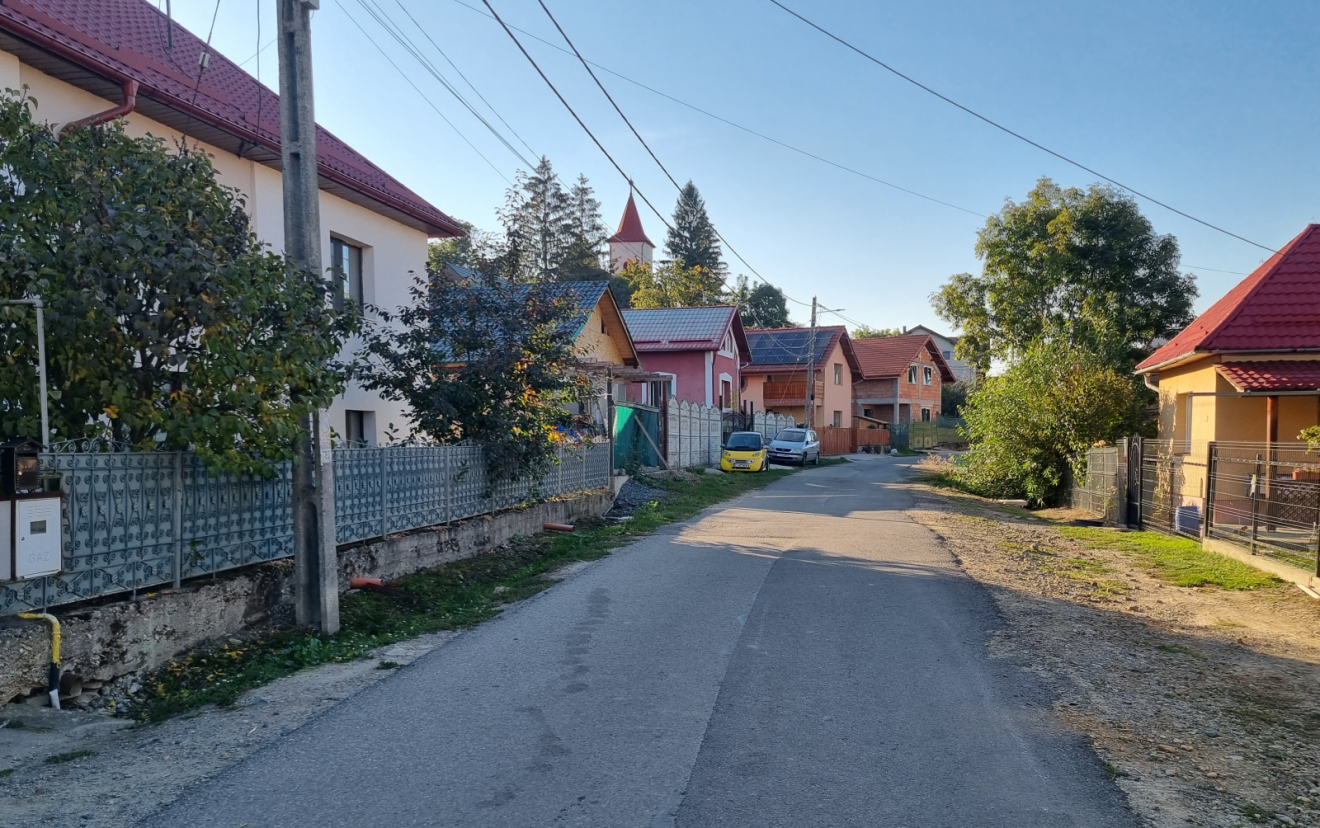
Felső Street in Györgyfalva (with the tower of the Reformed church in the background) is now officially Felső Street
Fotó: Páva Adorján
– The growing, evolving community of Györgyfalva is remarkably proactive, with numerous local achievements owed to self-reliance and civic organization. This is frequently praised by Mayor Costea as well, who, moreover, was elected with the overwhelming support of Györgyfalva’s Hungarian electorate. Did this friendly relationship based on mutual respect also contribute to the smooth adoption of traditional local Hungarian street names?
– It is an unwritten rule that the local councilors know and represent the interests of their village community best, which is why their recommendations carry decisive weight.
Of the 13 councilors, only three are Hungarian; therefore, if decisions were made along ethnic lines, Györgyfalva would always be at a disadvantage, and the deputy mayor would not be Hungarian either. However, our majority is not ethnically defined – in fact, it cannot even be described as party-political; rather, it is founded on acknowledging one another’s work, capabilities, and results. As long as more than 80% of the population supports the incumbent mayor, and that includes the votes of Györgyfalva’s Hungarians, the council continues to operate on this principle of mutual respect.
The commune of Erdőfelek comprises the namesake administrative center and Györgyfalva, along with Bányabükk (Vâlcele), Seregélyes (Sărădiș), and Mikestelep (Casele Micești). In the commune of 5,700 residents, 1,099 declared themselves Hungarian in the most recent census. Györgyfalva is home to more than 1,000 Hungarians, while the Romanian population now exceeds 200 in the village of 1,300.
– The street nomenclature also required approval from other state authorities. How long did the process take, how did it unfold, and what obstacles arose during the bureaucratic procedure?
– Naming the streets of a settlement follows a strict procedure. First, the initiators draft a package of proposals, which forms the basis of a draft council decision. This must be submitted for public consultation, during which proposed amendments can be submitted; these are then reviewed individually and either approved or rejected by a committee of councilors.
The final list compiled by the council must be evaluated by the Commission for the Attribution of Denominations convened by the Prefecture. Seeking their opinion is mandatory, though it is advisory in nature for the local council.
The final decision rests with the local council, and with the adoption of the local council decision, it became legally binding on March 16, 2026. I can say that although the process was lengthy, it remained transparent and smooth.
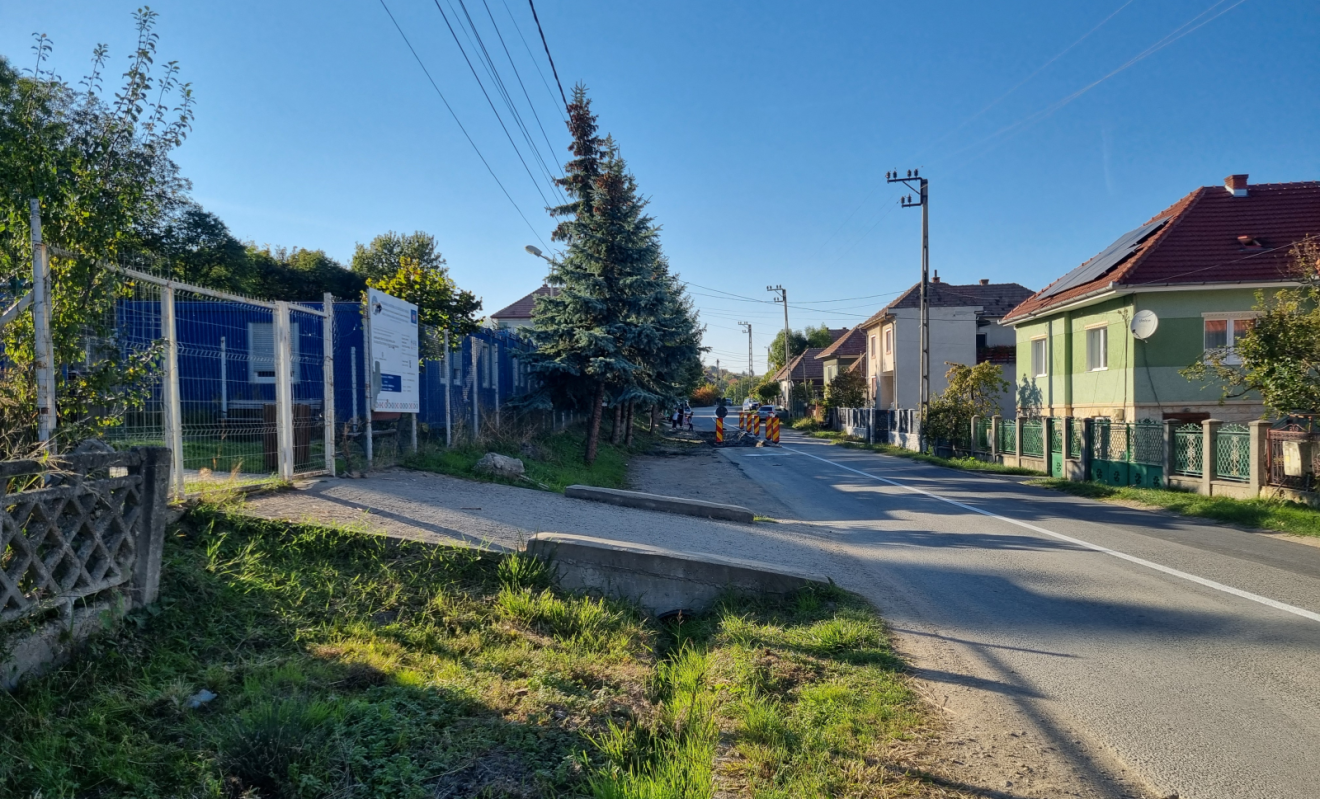
The container school (left) is located on Fő (Main) or Alsó (Lower) Street, officially Károly Kós Street
Fotó: Páva Adorján
– Citizens applying for new electronic identity cards already receive their updated Györgyfalva address, street name, and house number on their documents, meaning the implementation is officially live. Is there any way the Hungarian street names could still be challenged?
– Following the council decision, the competent authorities integrate the changes into their systems, which has already taken place. Those who have recently renewed their identity cards have had their documents issued with the new addresses; thus, IDs already exist certifying addresses such as Berekalja, Köves, Felső, Vágás, and so on.
– Are you prepared for potential backlash from professional complainants or increasingly vocal anti-Hungarian extremists?
– During the public consultation phase, disapproving remarks and incitement already surfaced in the Romanian media. Fortunately, the locals recognized this as external provocation, and it failed to trigger an emotional reaction.
They may play the "Hungarian card," but I trust that the majority will always vote in favor of peaceful coexistence and mutual respect.
– In the effort to have traditional Hungarian street names approved, did you draw upon positive or negative precedents from other Hungarian local governments in Transylvania? Did you consult experts, legal scholars, activists, or politicians?
– We did not focus on the successes or failures of others. We consulted an expert firm to ensure every step was taken correctly under the law, preventing any statutory violations. They also digitized the data using a Geographic Information System (GIS), and as soon as the National Electronic Street Nomenclature Register (RENNS) platform is restored, it will also be accessible online.
– Did you receive comments along the lines of "you’ll never pull it off"?
– Naturally; there are skeptics in every project. Some considered building the water network impossible, even though that constitutes a baseline requirement—and yet, it is done. Others believed it was impossible to make traditional street names official. And yet, it was possible. One must adhere to legality and represent the interests of the community. If that is consistently safeguarded, anything is possible.
– Why did you consider official recognition of the Hungarian designations a more viable path than bilingualism? The latter, after all, is far more common in Transylvania, even in Hungarian-majority local governments in Szeklerland. At the same time, bilingualism has sparked numerous controversies, complaints, and lawsuits.
– My name is Soós Sándor in Hungarian, and it is Soós Sándor in Romanian. The essence of proper nouns is that they do not require literal translation. The same applies to these traditional street names.
Consequently, traditional street names cannot be translated, as doing so would discard the very tradition they embody. Bilingualism will simply manifest in whether the street sign reads only "Strada" or also includes "utca"—for example, "Strada Körmös utca."
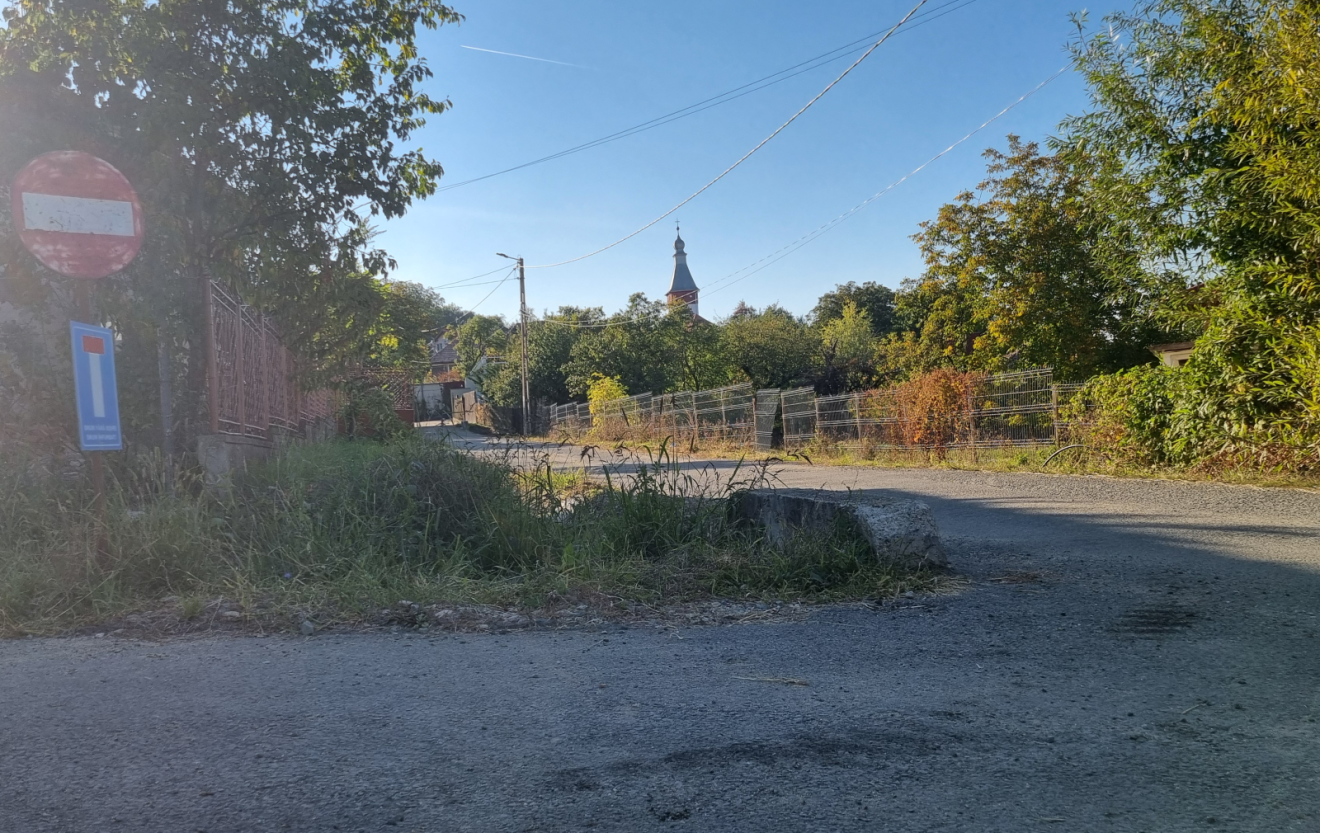
The intersection of Körmös Street and Katolikus Street (with the Catholic church tower in the background)
Fotó: Páva Adorján
– On what basis was the naming of individual streets decided, given that multiple names are sometimes used in local colloquial usage?
– The president of a local association engaged in heritage preservation compiled and cross-checked the most widely used names for each street and lane with elderly residents.
– Some streets received Romanian designations. What criteria governed this decision, and what proportion do they represent?
– There are streets such as Vágás that actually consist of two distinct roads. One had to be separated and given a different name. The longer section was named Vágás, while the shorter portion, inhabited exclusively by Romanian residents, was named Pădurii (meaning "Forest Street"), as it borders the forest.
This is how Romanian designations also came to be, which I consider natural and equitable in a village where Hungarians and Romanians live side by side.
– The village’s Fő (Main) or Alsó (Lower) Street – where Sándor Soós also resides – was named after Károly Kós. What is the story behind that?
– The majority of houses are on Fő Street, perhaps nearly half of the total. It was originally proposed as Fő utca (Main Street), but other suggestions followed. For example, since the Orthodox church is situated on the street, it was proposed to name it Bisericii Ortodoxe (Orthodox Church Street). We understood the sensitivities of both Hungarian and Romanian residents on the street and sought a peaceful compromise.
There was a proposal to name it Strada Principală (Main Street), but because several residents already had "Principală" on their documents regardless of where they lived in the village, adopting this designation in that form would have created administrative confusion.
The residents of Erdőfelek know and respect Károly Kós because the Orthodox community renovated their Grade A historic monument church and erected its bell tower based on his architectural designs. In other words, its present form was conceived by Károly Kós 101 years ago. For that reason, it had previously been suggested to name a street after him in Felek, but a Romanian councilor recommended that it be located in Györgyfalva instead. Since the local Cultural Center here was designed by Károly Kós and stands on Main Street, the opportunity was ideal: thus, the longest thoroughfare, the county road, was named after Károly Kós.
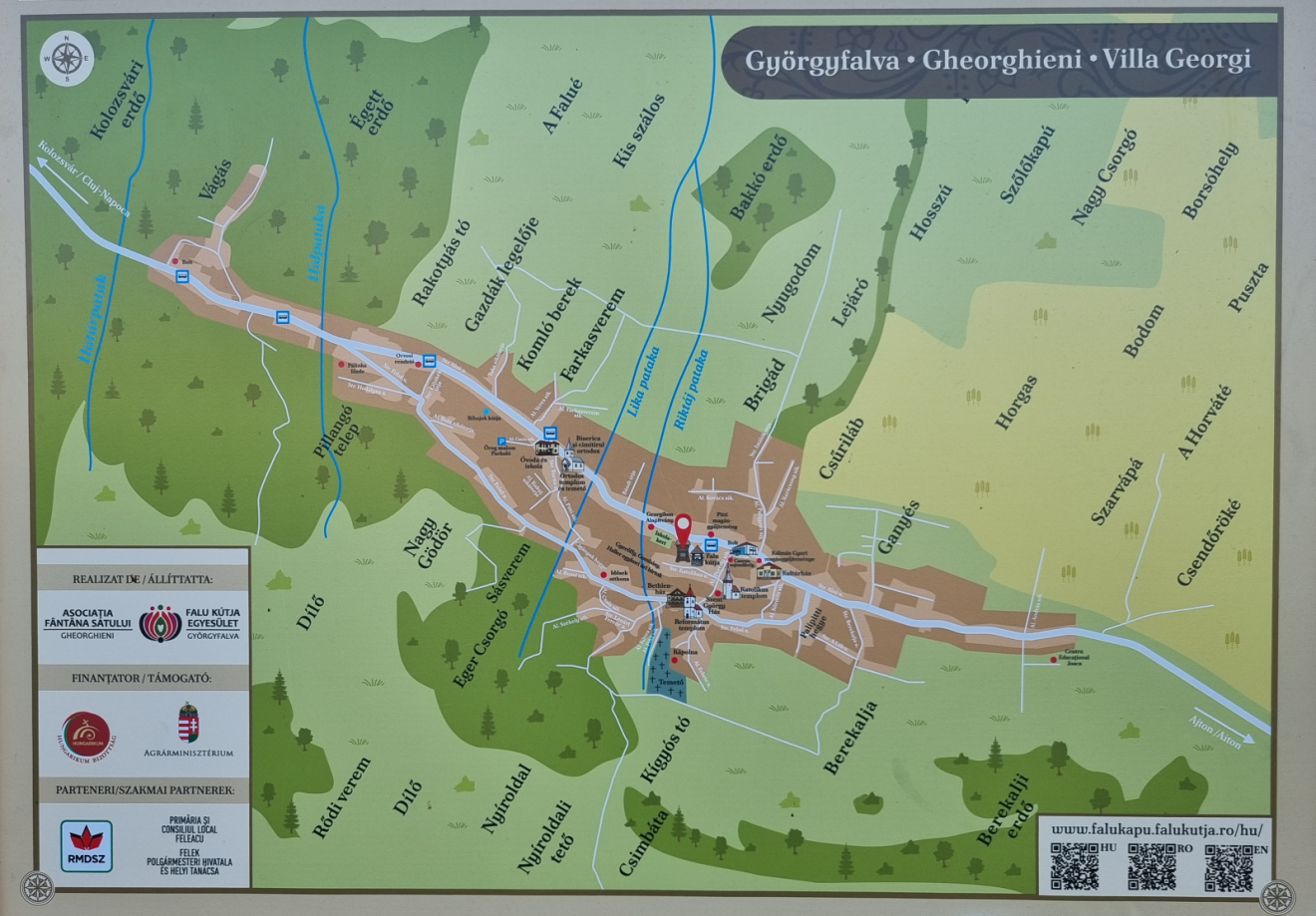
A heritage-preserving and informational Village Gate featuring a map was recently inaugurated in Györgyfalva
Fotó: Páva Adorján
– What obligations does the introduction of the new street nomenclature entail for the population? When and how will Györgyfalva residents be officially notified of their new addresses?
– When someone renews their identity card, the mayor's office first issues a certificate of residence indicating the new street name and house number. It is therefore already official.
It will become relevant for each resident whenever they are due to obtain a new ID card. In 2027, we plan to allocate municipal funds for manufacturing and installing the new street name signs, as well as producing and distributing the new house number plates.
– From what point must the new residential address be indicated when completing official documents?
– In principle, since the council decision entered into legal force, the new designation has been the official one for everyone, meaning they are free to use it.
– When might the new street names and house numbers appear on Google Maps or Waze?
– Unfortunately, this cannot be influenced directly; these are private corporations outside state control. As soon as the RENNS platform is operational and visible, we will officially notify the companies operating these navigation apps of the changes and request that they incorporate them.
– A decade after the carved street signs appeared and subsequently vanished, traditional Hungarian designations can now be posted officially. Are the old informational signs still intact? Will they be put up again? How does the local government envision displaying street names and house numbers?
– The old informational plaques retain their tourist and informational character; they must receive administrative permits before being officially installed. First, however, the statutory, official metal street signs will be mounted at the entrances to each street.
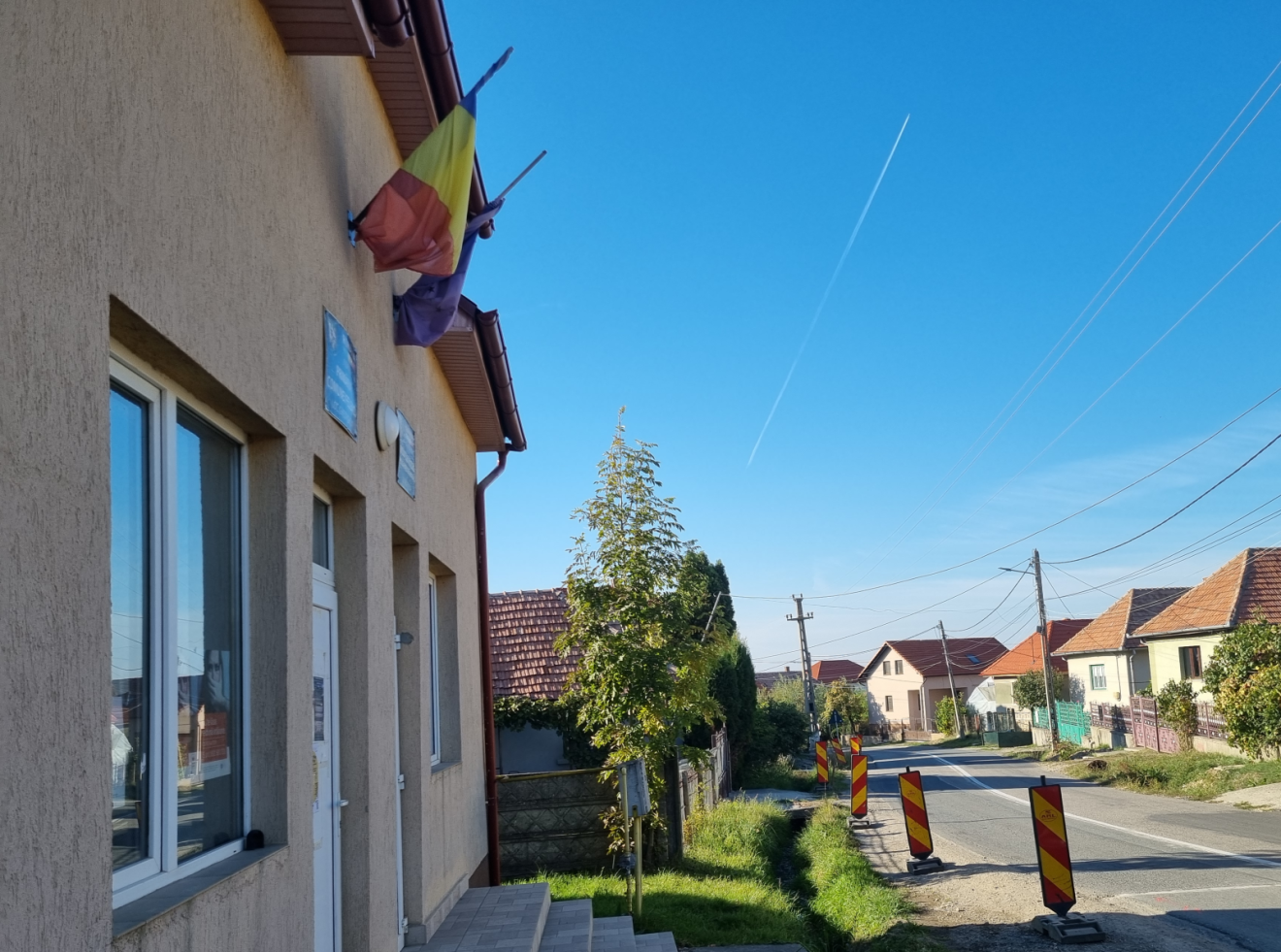
The entrance to the Cultural Center designed by Károly Kós faces Károly Kós Street
Fotó: Páva Adorján
– Once these names become established on digital maps, in smartphones, on official documents, and in the physical reality of the streets, how might this shape the sense of identity and belonging of younger Hungarian generations growing up in Györgyfalva? And, of course, the perception of visitors to Györgyfalva is not negligible either.
– Preserving local traditions benefits every community. Györgyfalva was first mentioned nearly 700 years ago, and there are numerous local toponyms, whether one looks at agricultural field boundaries (dűlő), streets, or lanes. When making names official, these must be taken into account.
– The "Györgyfalva model" could serve as an exemplary achievement across Transylvania. What advice would you give to local leaders contemplating similar plans? May we provide them with Sándor Soós’s phone number?
– The essence of the Györgyfalva model may be to first establish mutual respect between newcomers and native residents, as well as between Romanian and Hungarian councilors.
I am happy to share our experiences with other local leaders.
We recently reported on how the tides have turned for the "Hungarian island" near Kolozsvár: after decades of neglect and isolation, the community of Györgyfalva is now being embraced by both Budapest and Bucharest. Adjacent to the kindergarten built with Hungarian state funding, the renovation and expansion of the school building has commenced with Romanian state financing. In our report, we covered the €4.2 million project and the temporary container school. Deputy Mayor Sándor Soós also outlined how Györgyfalva could emerge as a micro-regional Hungarian educational hub rivaling the offerings in Kolozsvár. Meanwhile, few know that Károly Kós drew the original blueprints for Györgyfalva’s Cultural Center, though the building barely reflected his vision even upon its inauguration. Eighty years later, architect Andrea Morocz envisions reimagining the worn community hall as a modern, multifunctional community center.
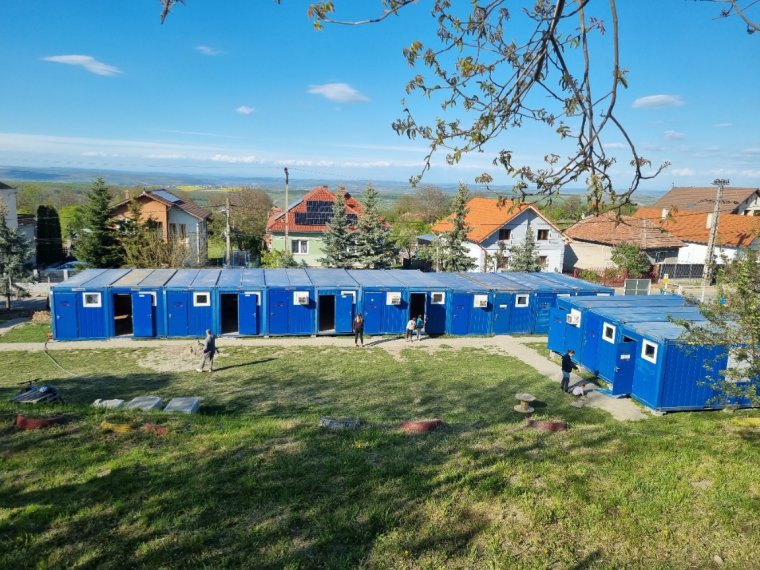
Nagyot fordult az idő kereke a Kolozsvár melletti „magyar szigeten”: a sok évtizedes elhanyagoltság, elszigeteltség után ma már Budapest és Bukarest is „a tenyerén hordozza” Györgyfalva közösségét.
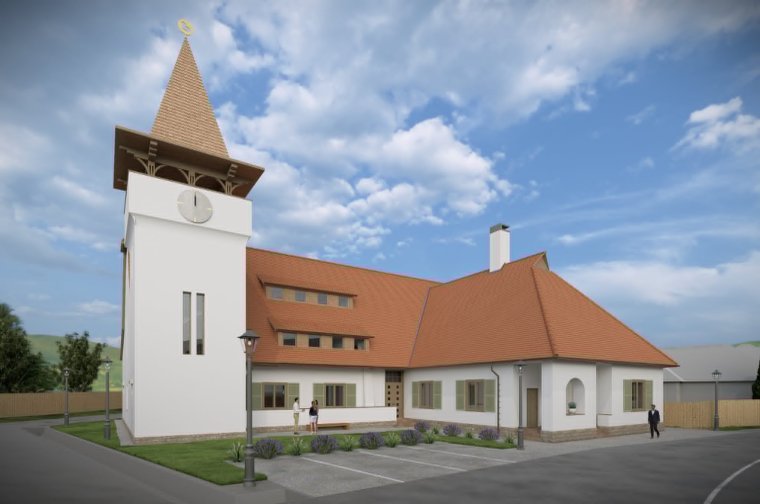
Kevesen tudják, hogy Kós Károly készítette a Kolozsvár melletti „magyar sziget”, Györgyfalva kultúrotthonának eredeti terveit, ám az épület már átadásakor is alig tükrözte elképzeléseit.
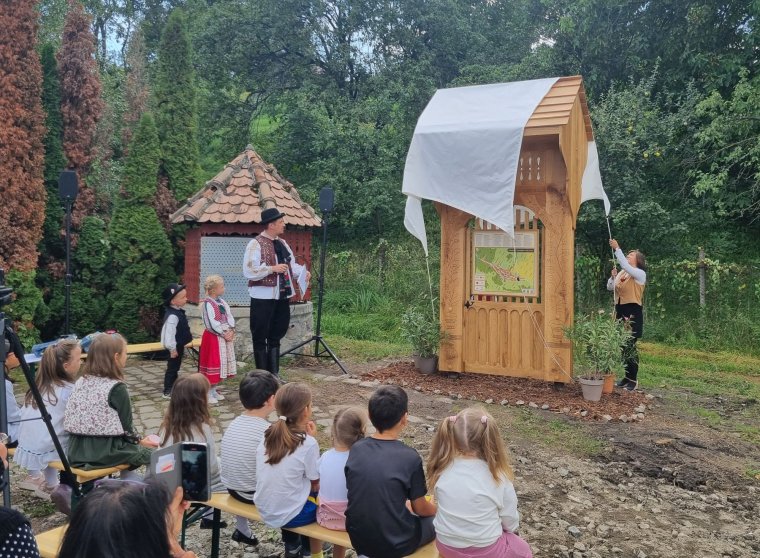
Információs táblaként is szolgáló hagyományos faragott kaput avattak vasárnap Györgyfalván: a Kolozsvárral szomszédos, magyar többségű település központjában.
Iratkozzon fel hírlevelünkre, hogy elsőként értesüljön a hírekről!
The “Wandering Szekler” statue in Odorheiu Secuiesc verifiably depicts writer Albert Wass, according to Arad attorney Bogdan Ionescu, who filed a lawsuit on behalf of the association he leads seeking the monument’s removal – and won at first instance.
The Romanian language and literature Baccalaureate exam papers did not cause any particular headache for the graduating seniors in Cluj-Napoca who spoke to Krónika.
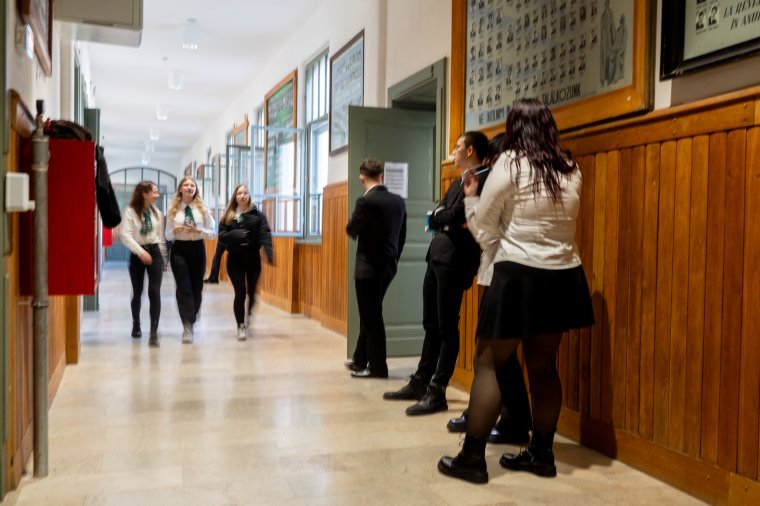
A woman in Cluj-Napoca (Kolozsvár) was confronted and told not to speak Hungarian; moreover, she was even called a „bozgor” (a derogatory term meaning „homeless” or „without a homeland”).
„The economic situation in Romania is currently so severe that the country is already standing at the doorstep of recession.” „Romania could already be in recession.” „Only a miracle could save us from recession.”
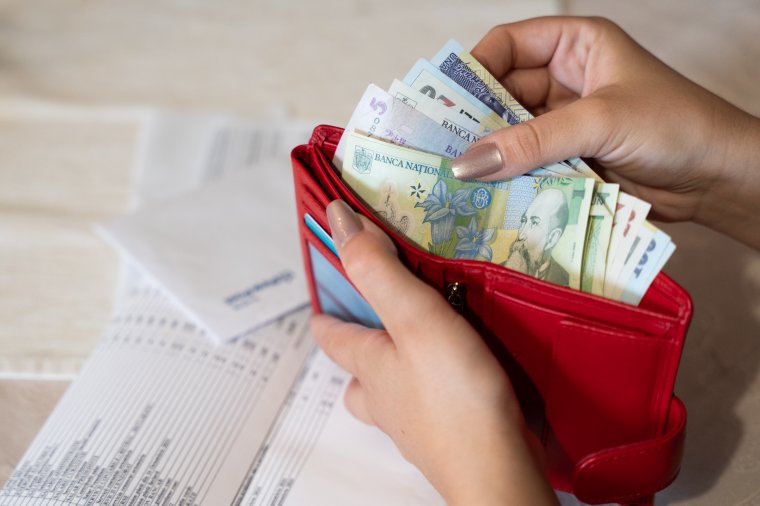
As of August 1, shoppers will have to dig deeper into their pockets – partly due to a 2–12% increase in the value-added tax (VAT), and partly due to the rise in excise duties.
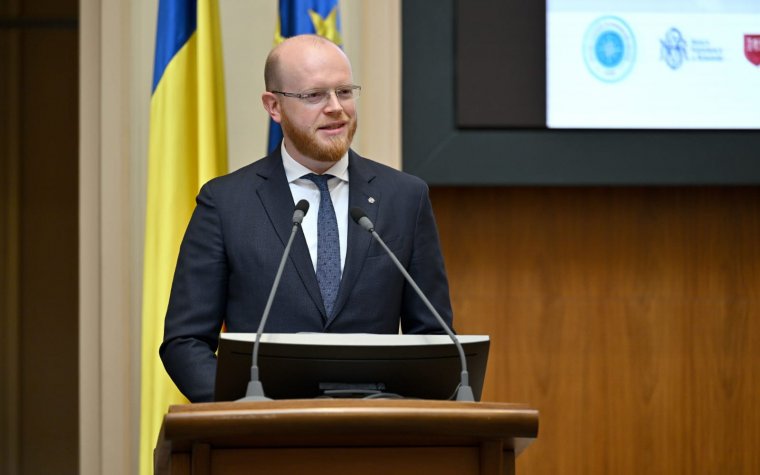
“I would like to speak with Romania’s new president as soon and as extensively as possible, because we have shared issues within the European Union, and the interests of Romanians and Hungarians often align," Prime Minister Viktor Orbán told Krónika.
Although Romania is in urgent need of major adjustments given its struggling financial situation, the four-party coalition was only just formed following the presidential election in May.
Desperate, silent people, hopelessness, and the authorities’ secrecy characterize the situation in Parajd (Praid) following the salt mine tragedy.
Romania has lost the most residents over the past 20 years among the EU member states according to the „Demography of Europe – 2025 edition” research by the Eurostat statistical office.
I would like to share a personal story from 1986 that I have never told before. I had just finished my first year studying physics at university.


 Látogatottsági adatok
szóljon hozzá!