





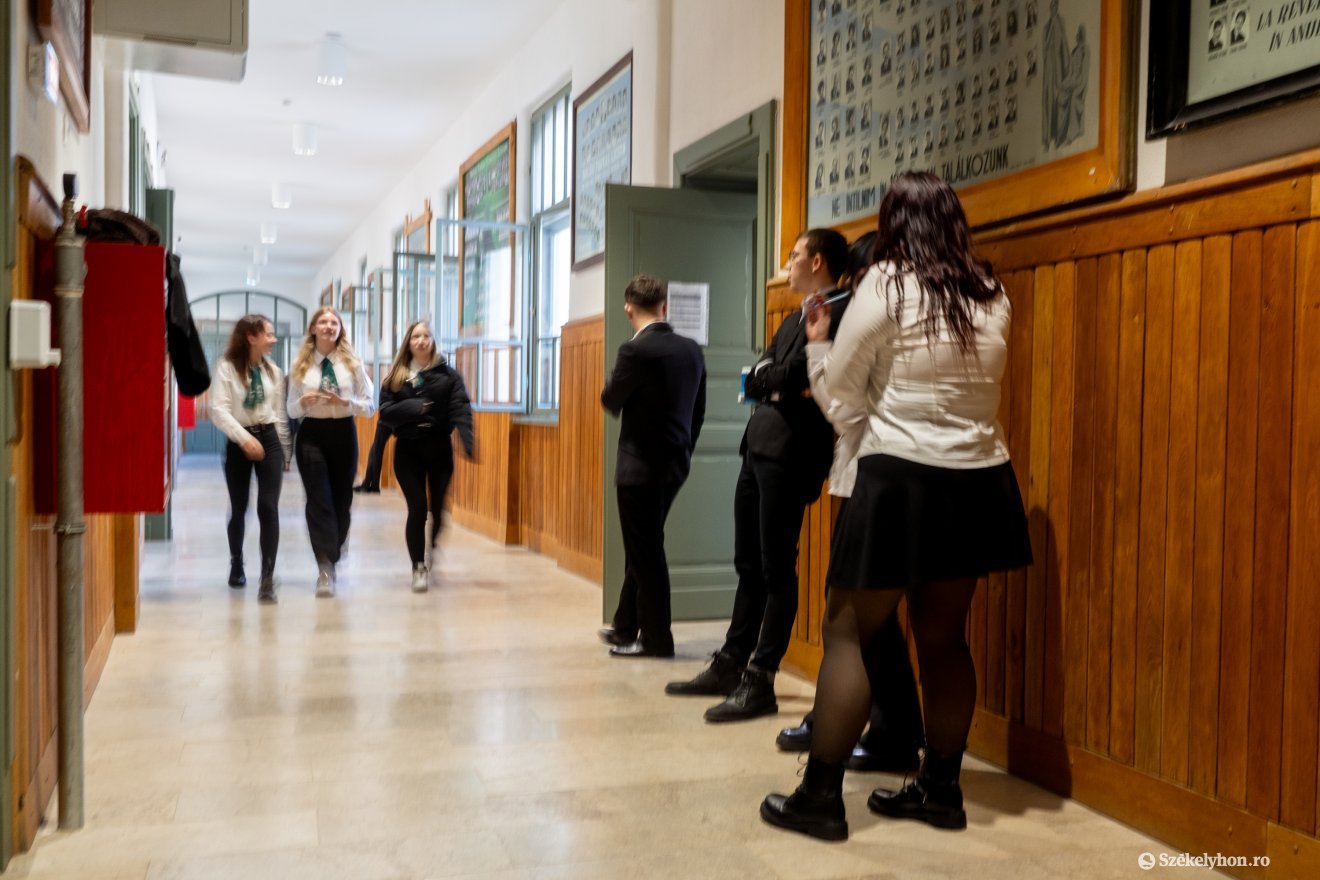
The Baccalaureate began with the Romanian language and literature exam this year as well
Fotó: Haáz Vince
The Romanian language and literature Baccalaureate exam papers did not cause any particular headache for the graduating seniors in Cluj-Napoca who spoke to Krónika. However, a Romanian teacher from Miercurea Ciuc interviewed by our portal offered a more cautious approach. Although she described the exam paper as balanced, she emphasized that for a student whose native language is Hungarian, there is still no such thing as an easy Romanian final exam paper.

2026. július 05., 20:562026. július 05., 20:56
The themes of friendship and human relationships were at the center of Tuesday’s Romanian language and literature Baccalaureate exam. For the second consecutive year, graduating seniors from the Hungarian section solved an exam paper compiled based on a distinctive curriculum.
According to two graduating students from Cluj-Napoca who spoke to Krónika, the exam tasks did not present any major difficulties. At the same time, the teacher interviewed from Miercurea Ciuc gave a more nuanced evaluation: while she considered the exam paper balanced, she highlighted that for a Hungarian native student, there is still no easy Romanian Baccalaureate.
The Ministry of Education published the exam papers on Tuesday at 3:00 PM.
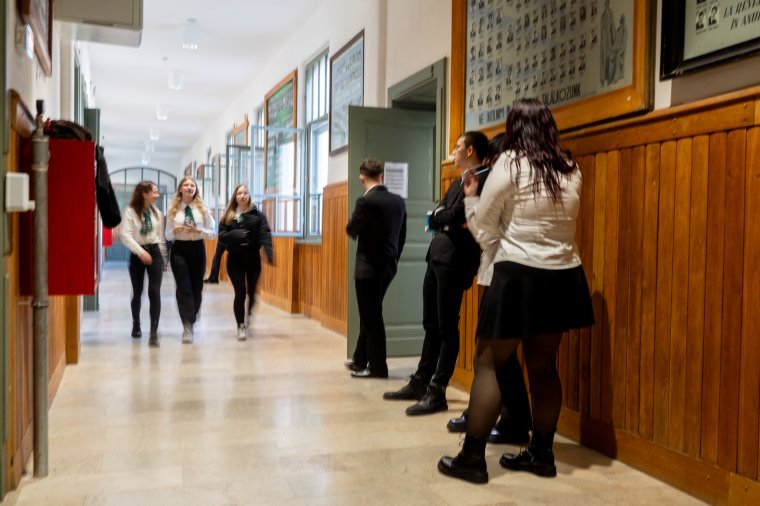
Nem okoztak különösebb nehézséget a románérettségi tételei a Krónikának nyilatkozó kolozsvári végzősök számára. A csíkszeredai romántanár szerint kiegyensúlyozott volt a feladatsor.
Last year’s graduating class of minority students was the first to study Romanian language and literature under a special curriculum throughout all 13 school years, meaning they received different exam papers at the Baccalaureate than native Romanian-speaking students.
Edith Fazakas, a Romanian language and literature teacher at the Márton Áron High School in Miercurea Ciuc, told our portal that although Tuesday's exam paper was balanced, this did not mean it was easy.

she stated.
She added that her students sent her optimistic messages after the exam, but a true assessment of the papers will only be possible after the grading process.
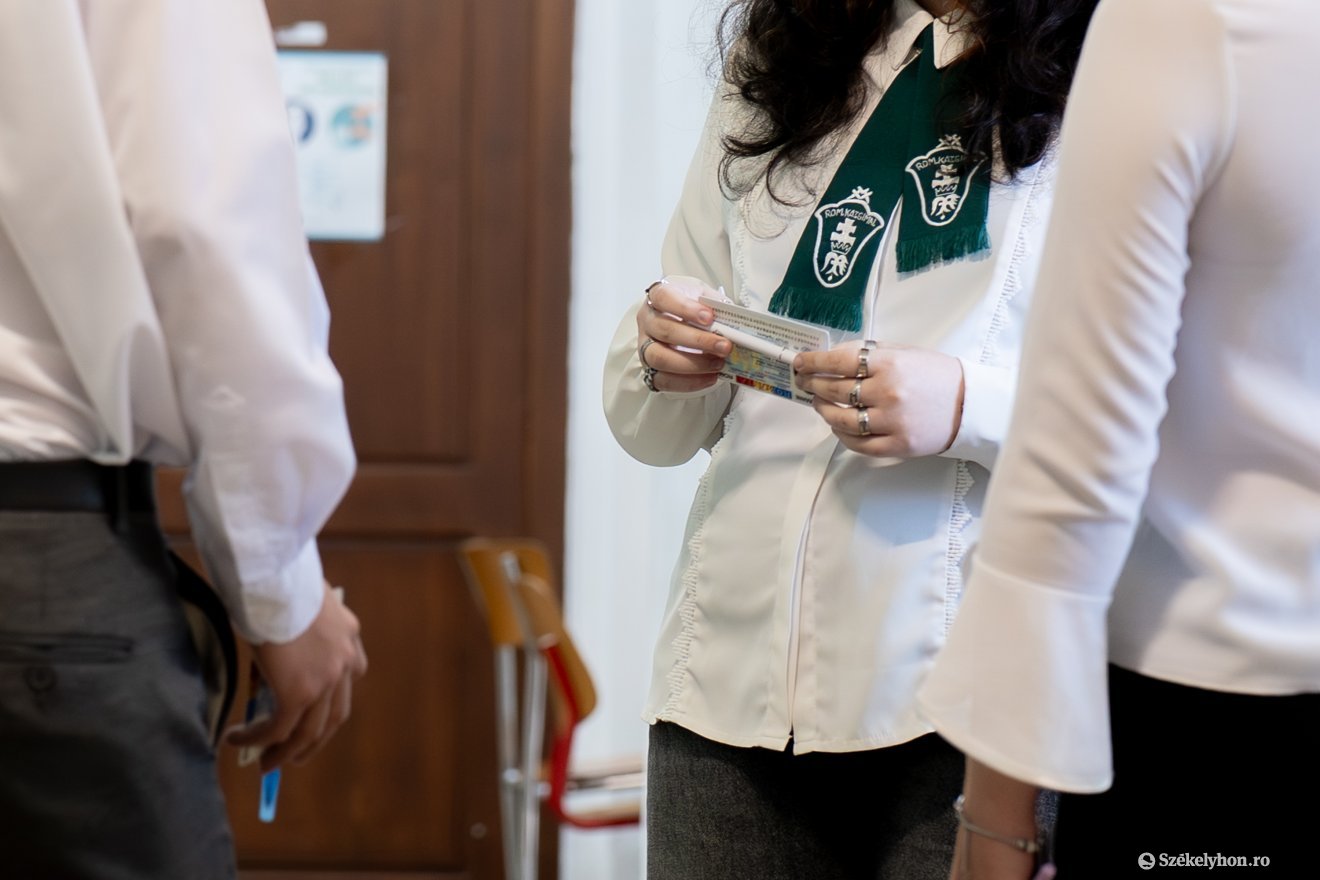

The Romanian exam papers were approachable, according to the students who spoke to Krónika
Fotó: Haáz Vince
The exam paper, consisting of three sections, was worth a total of 90 points, with an additional 10 points awarded automatically. The first section, worth 30 points, was linked to a non-literary text that traced the evolution of friendship from early childhood to adulthood.
"It was quite an appealing, accessible text, and the students liked it too," the teacher said. The text was accompanied by multiple-choice, true/false, sentence-insertion, and language exercises. According to Edith Fazakas, an average student had a good chance of earning a significant portion of the points required for a passing grade from this section. However, she noted that the sentence-insertion task demanded more serious reading comprehension skills, as it tested the recognition of logical connections rather than simple grammatical knowledge.
There were minor differences between the exam papers for students in the:
but these appeared primarily in the difficulty level of the tasks. For instance, students in the humanities track had to find the correct form of certain linguistic structures independently, whereas science students could choose from several provided options.
The second section, also worth 30 points, focused on a literary text that also dealt with the theme of friendship. Two short interpretive tasks were linked to the text, followed by an 18-point argumentative essay in which students had to write about whether friendships change over the years.
According to the teacher, the topic of the argumentative text was highly approachable for the students, but the literary text itself could have posed a serious challenge. She pointed out that recognizing layers of literary meaning presupposes a level of linguistic competence that is difficult to expect when Romanian is learned as a foreign language.
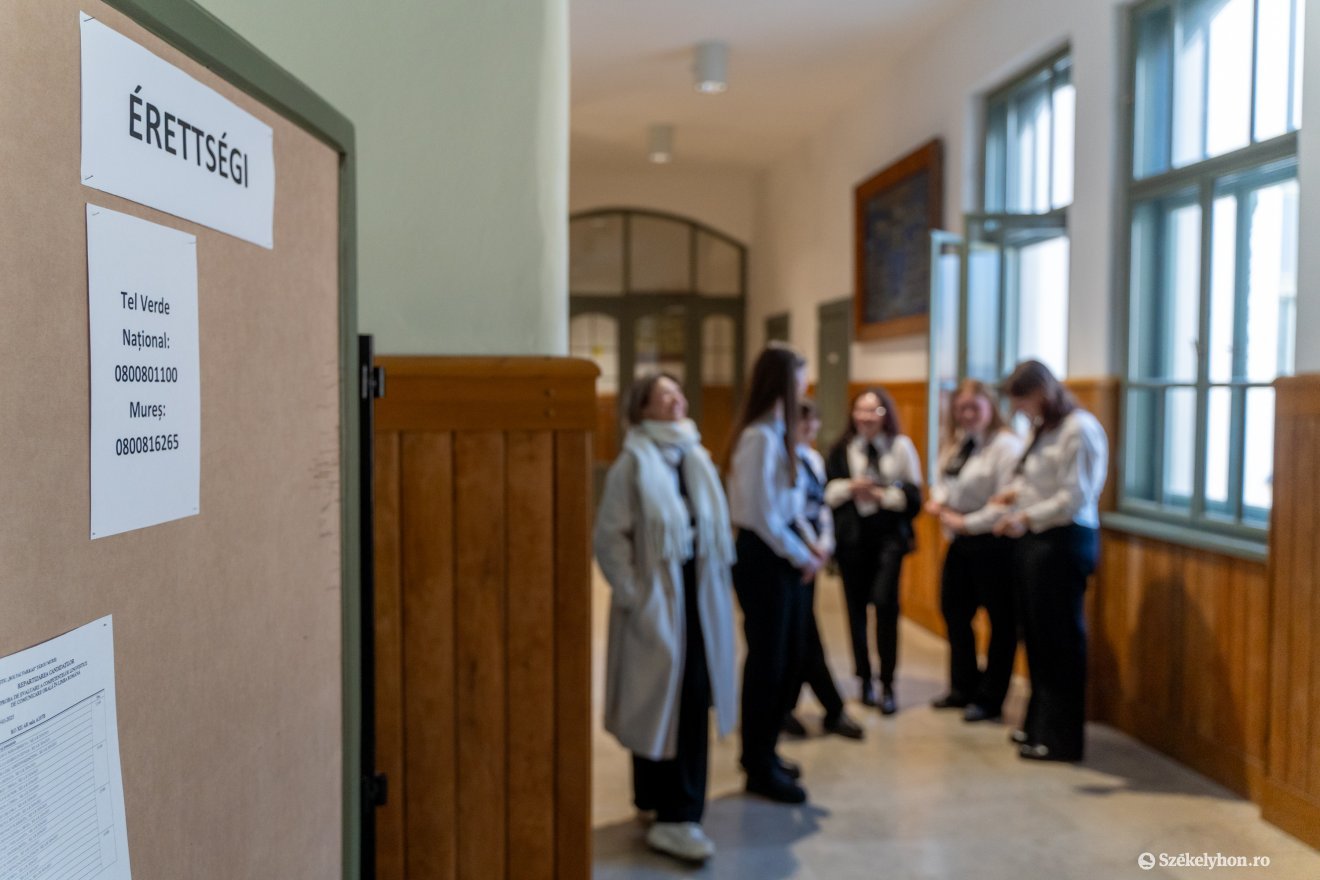
The examinations have begun; however, the remaining exams have been postponed for the time being due to the heat
Fotó: Haáz Vince
The third task was also worth 30 points, with 22 points awarded for content and 8 points for linguistic expression. Candidates had to write a comparative essay of at least 300 words on the topic of Experiențe fundamentale ale existenței (Fundamental Experiences of Existence), comparing a studied literary work with the text provided on the exam sheet based on specific criteria.
According to Edith Fazakas, this type of task has evolved significantly in recent years. As she put it, students are no longer expected to recite pre-memorized literary topics; instead, they are required to think independently, discover connections, and support their findings with arguments.
She considers it particularly valuable that the final part of the essay provided an opportunity for candidates to draw examples from their own cultural experiences—such as a theatrical performance, a movie, a painting, or another work of art.
she said.
The teacher believes that the difficulty level of this year's exam paper was roughly similar to last year's, while she considered the mock exam to be somewhat more complex. However, she drew special attention to one important difference.
"The problem that occurred with the eighth-graders' National Evaluation did not arise here. I wouldn't have given that literary text even to twelfth-graders," she said. In her opinion, the exam paper for this year's Romanian Baccalaureate was overall much more "digestible" than the topics of the Romanian language and literature capacity exam for this year's eighth graders.
Regarding the specific Romanian language and literature curriculum, Edith Fazakas assessed that the syllabus for grades 9–12 has clearly moved in the right direction, as it places the emphasis on communication and everyday life situations.
she emphasized.
According to the teacher, the greatest merit of the customized curriculum is that it prioritizes the development of usable language skills and gradually sidelines the previously dominant, overly grammar-centered approach.
Hungarian students took their exams according to a curriculum specifically compiled for minority students
Fotó: Freepik
Dóra Fall, a graduating senior at the Apáczai Csere János Theoretical High School in Cluj-Napoca, told our portal that although she was very nervous before the exam, she quickly calmed down when she saw the exam papers.
she said.
She mentioned that although she usually finds it difficult to formulate proper arguments under stress, this time she faced no particular issues with that either. In the third section, out of the three selectable thematic areas –
– the latter appeared this time.
"I think this is the most rewarding thematic area because it can be approached in so many different ways," she noted. In the task, the provided text had to be compared with a canonical literary work; she chose George Călinescu's novel Enigma Otiliei (The Enigma of Otilia) for this purpose.
Overall, the graduating student deemed the exam a success.
She added that her friends had similar impressions: they all evaluated the topics favorably and felt the examination had gone well.
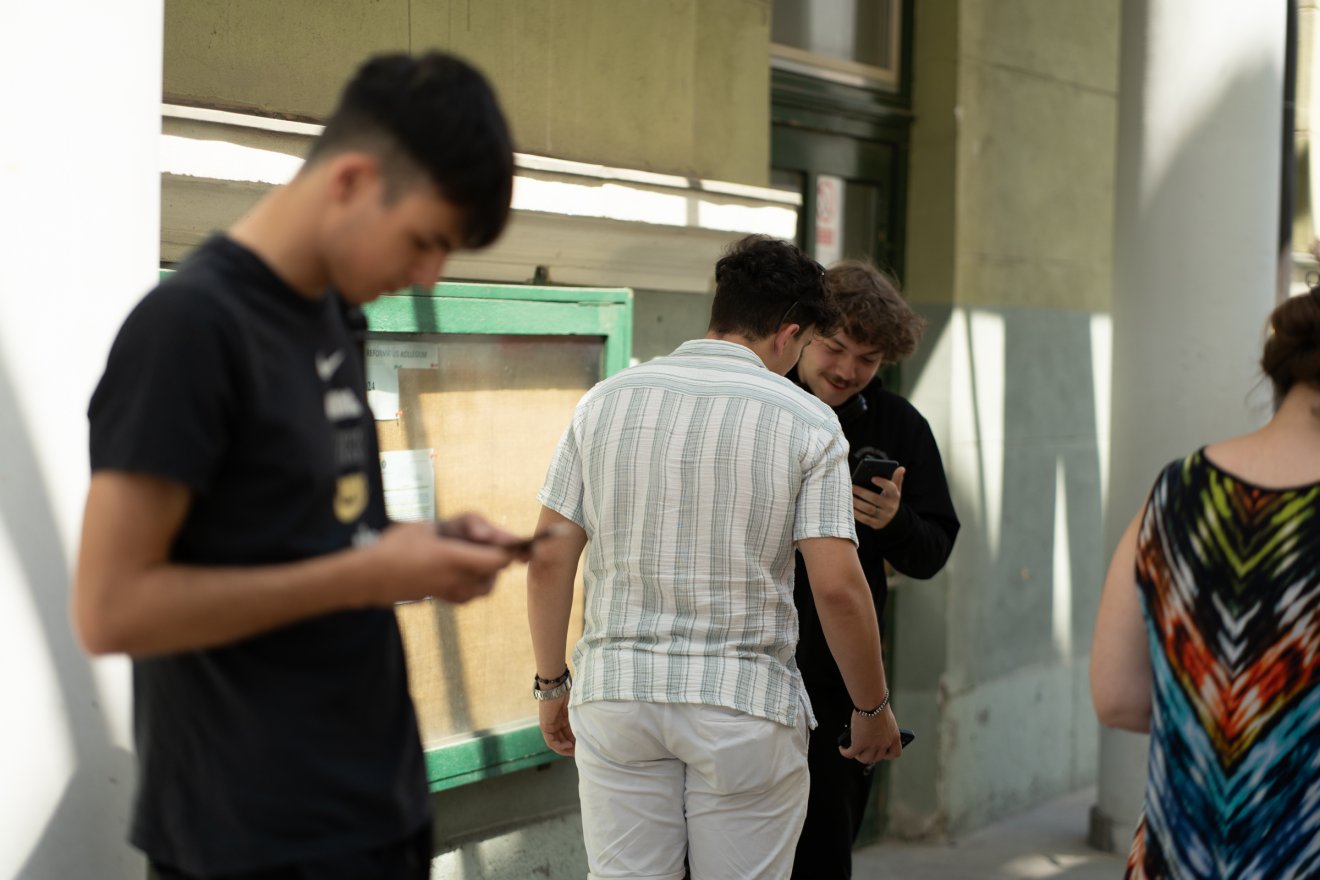
Exam jitters. Graduating seniors are now past the Romanian language and literature Baccalaureate exam
Fotó: Tuchiluș Alex
Emese Szabó, a graduating humanities student at the János Zsigmond Unitarian College in Cluj-Napoca, told our portal that the exam paper did not cause any particular difficulty and was balanced in terms of both tasks and the choice of themes. As she put it, the topics were comprehensible without being cliché.
"The first section was relatively easy; I felt that obtaining the maximum score for both the grammar and reading comprehension tasks was realistic," she said. She added that
This time, however, she was pleasantly surprised, as they had to argue about the durability of friendships, which she considered an accessible topic.
According to her, the attention of most graduating seniors was nevertheless focused on the third section.
"I think every student was curiously waiting to see what topic we would get for the essay.
I was glad that this was indeed what appeared in the exam paper," she said.
She added that for the final task, she chose Ion Creangă's work Povestea lui Harap-Alb (The Story of Harap-Alb) as a basis for comparison.
The student from Cluj believes that this year's exam paper provided an appropriate opportunity for students to achieve the goals they had set for themselves. She noted that the feeling of success could also give the graduating seniors confidence for their remaining exams.
Iratkozzon fel hírlevelünkre, hogy elsőként értesüljön a hírekről!
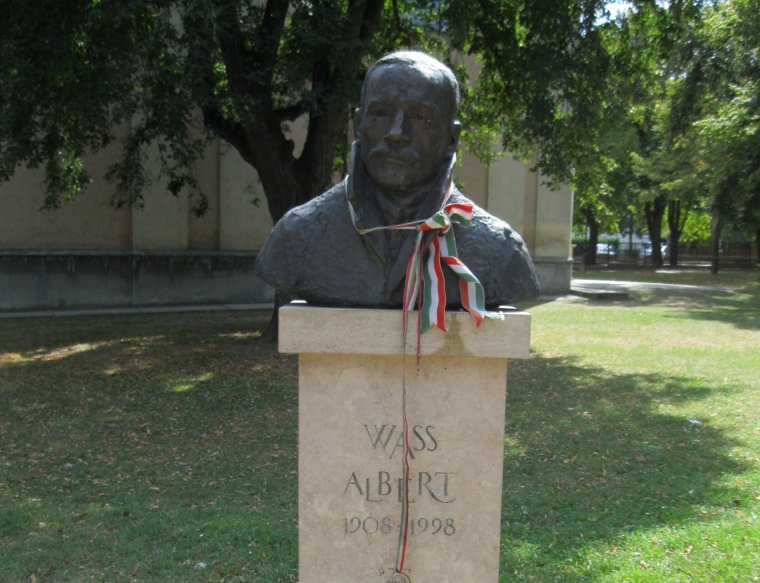
The “Wandering Szekler” statue in Odorheiu Secuiesc verifiably depicts writer Albert Wass, according to Arad attorney Bogdan Ionescu, who filed a lawsuit on behalf of the association he leads seeking the monument’s removal – and won at first instance.
A woman in Cluj-Napoca (Kolozsvár) was confronted and told not to speak Hungarian; moreover, she was even called a „bozgor” (a derogatory term meaning „homeless” or „without a homeland”).
„The economic situation in Romania is currently so severe that the country is already standing at the doorstep of recession.” „Romania could already be in recession.” „Only a miracle could save us from recession.”
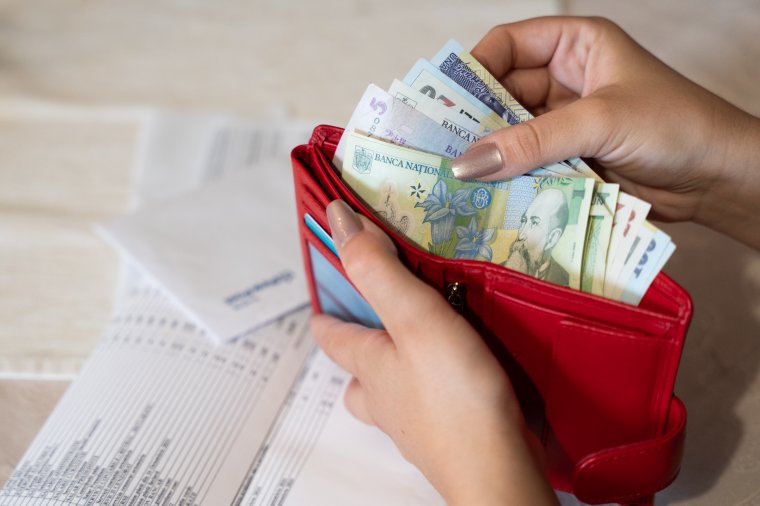
As of August 1, shoppers will have to dig deeper into their pockets – partly due to a 2–12% increase in the value-added tax (VAT), and partly due to the rise in excise duties.
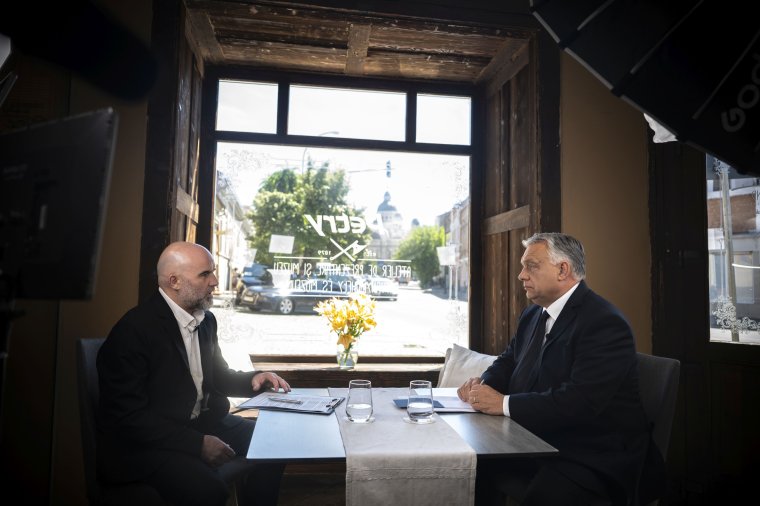
“I would like to speak with Romania’s new president as soon and as extensively as possible, because we have shared issues within the European Union, and the interests of Romanians and Hungarians often align," Prime Minister Viktor Orbán told Krónika.
Although Romania is in urgent need of major adjustments given its struggling financial situation, the four-party coalition was only just formed following the presidential election in May.

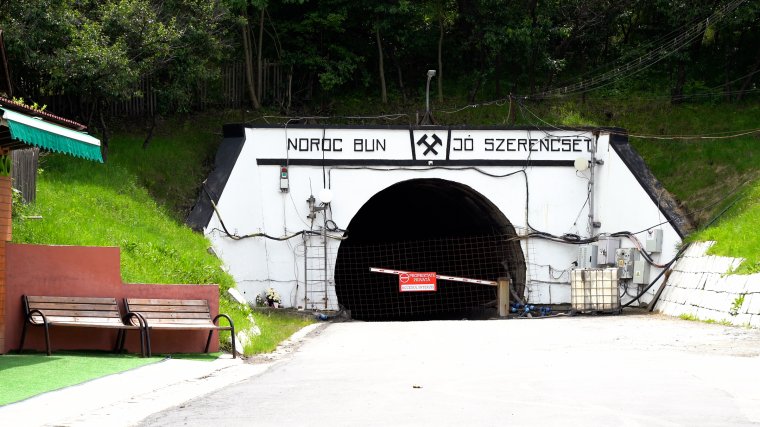
Desperate, silent people, hopelessness, and the authorities’ secrecy characterize the situation in Parajd (Praid) following the salt mine tragedy.
Romania has lost the most residents over the past 20 years among the EU member states according to the „Demography of Europe – 2025 edition” research by the Eurostat statistical office.
I would like to share a personal story from 1986 that I have never told before. I had just finished my first year studying physics at university.
While Sunday’s first-round results of Romania’s presidential election were not entirely unexpected, the outcome delivered a political shock of historic proportions.





 Látogatottsági adatok
szóljon hozzá!