





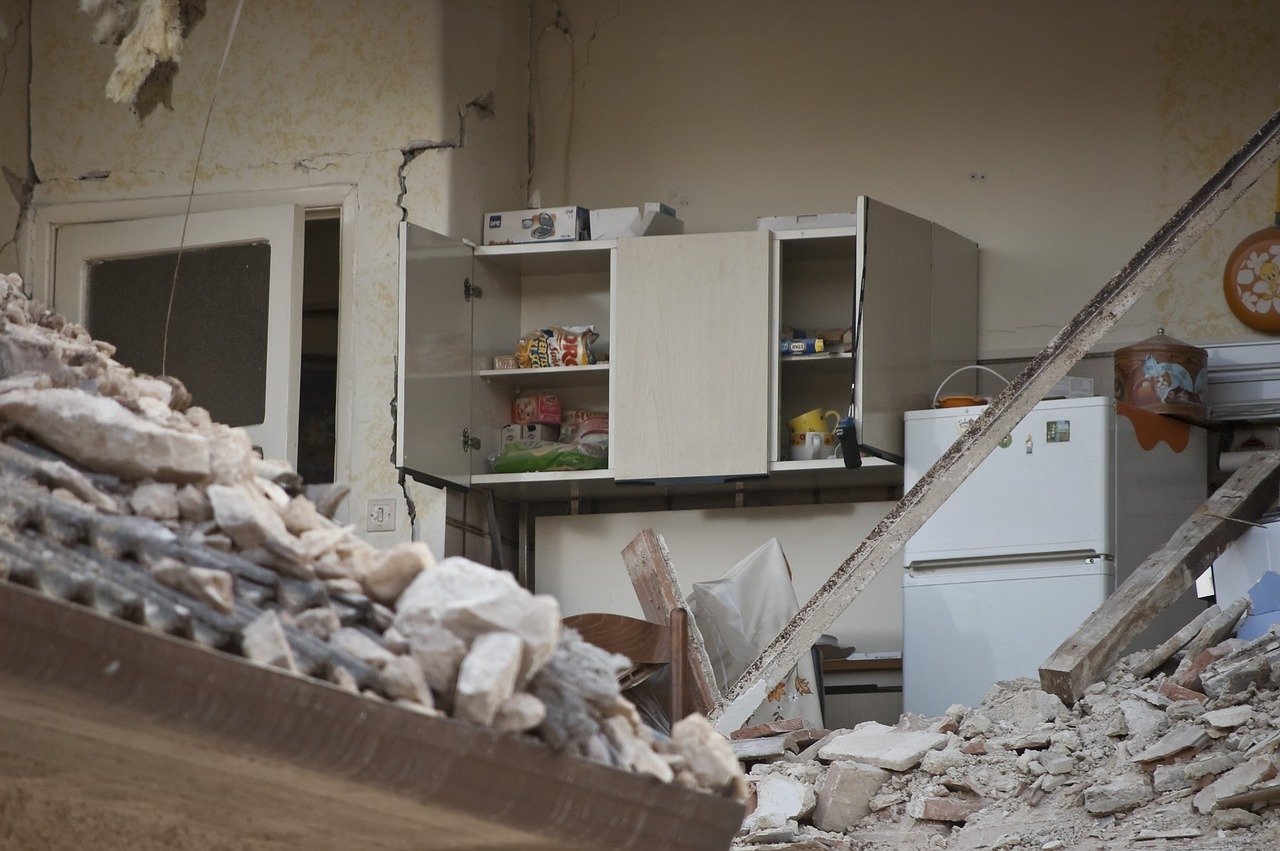
Earthquakes cannot be predicted, but taking into account scientific measurements, you can prepare for possible earth tremors
Fotó: Pixabay.com
Several signs of earthquakes have been detected in Romania recently. Although the epicenter of the earthquakes was in the Vrancea region, earth tremors measuring between 2 and 4 on the Richter scale were also detected in the Szekler region (Székelyföld). Geologist-volcanologist Szabolcs Harangi explained the causes of the phenomenon to Krónika, and also talked about whether an earthquake of a similar magnitude to the Bucharest earthquake that occurred 48 years ago in March, causing fatalities and significant damage, can be expected in Transylvania in the near future.

2025. március 16., 11:382025. március 16., 11:38
The Vrancea region is one of the most seismically active areas in all of Europe, which is why there is a significant risk of earthquakes here, Szabolcs Harangi told Krónika. The Hungarian geologist amd professor at the Department of Petrology and Geochemistry at Eötvös Loránd University (ELTE) explained the reasons for this: a rigid lithospheric rock plate is slowly sinking almost vertically below the Carpathian Bend in the Earth's mantle.
According to the volcanologist, one possible explanation for the phenomenon is that the final stage of the rock plate subduction along the Carpathians is taking place. According to the results of geological research, 10–20 million years ago, a high-density rock plate, which once formed the floor of an oceanic basin, fell into the Earth's mantle along the eastern arc of the Carpathians, in a similar way to what is currently happening, for example, along the western edge of South America, along the Andes arc. The formation of the Pannonian Basin, for example, was also a consequence of the rock plate subduction, also known as subduction.
The high-density, oceanic rock plate broke off and continued to sink downwards (the subducting rock plate does not melt in the Earth's mantle), and its material is now visible at a depth of 400–600 km. The breakage did not occur all at once, but gradually in phases from north to south. The last events, the remnants of this gradual detachment, could be under the Carpathian Bend, the university lecturer explained. He added that according to the other theory, this vertical, sinking rigid piece of rock plate was formed when the lower part of the thick continental plate detached and began to sink into the solid but plastic asthenosphere mantle. The piece of rock plate sunk down in the manner of a zipper and is now in a nearly vertical position.
„Although two different theories explain the current situation, experts agree that the frequent earthquakes in the Vrancea zone are caused by processes occurring within a deep, slowly sinking fragment of the Earth's crust”, the volcanologist pointed out. He pointed out that the earthquakes come from a depth of 60-160 kilometers, meaning that rock body displacements occur here that create earthquake waves.
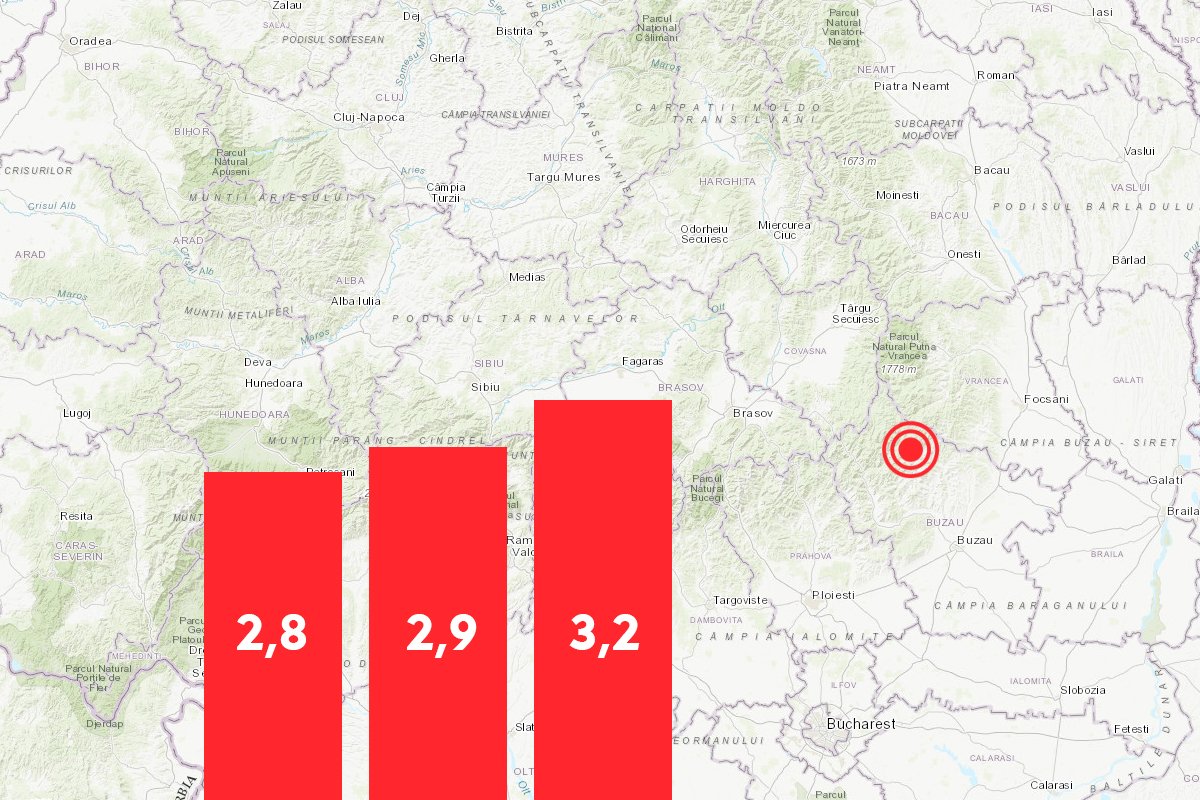

In February, the Carpathian Bend shook several times, and the earthquake was also felt in the Szekler region.
„These conditions are ongoing, meaning that there are earthquakes almost every week, and from time to time there is a much stronger earthquake than usual, which people also feel. The Vrancea region is not a classic earthquake area, where a big earthquake occurs, followed by countless aftershocks, and then nothing for a long time – here, the earthquakes are continuous,” explained Szabolcs Harangi.
such as Italy, Turkey or Greece, because in the latter areas earthquakes typically occur at a shallower depth (less than 30 km), which means that the impact of the earthquake at the epicenter can be large, even highly destructive. „The Vrancea region is different from those places: rock displacement at such a great depth here means that although a magnitude 5 earthquake may occur, its impact will be smaller at the epicenter, but it can cause surface movement over a much larger area, which can be felt by people,” said the university lecturer.
When asked what the current seismic activity indicates and whether we should expect an earthquake of similar magnitude to the 1977 Bucharest quake to shake Transylvania in the near future, Szabolcs Harangi explained that an analysis of earthquake data from the past century shows that the Vrancea region periodically experiences significant tremors, with magnitudes ranging from 7 to 8. As he explained, there is a thirty-fold difference in energy release between earthquake magnitude levels, i.e. the difference between two levels is a thousand-fold.
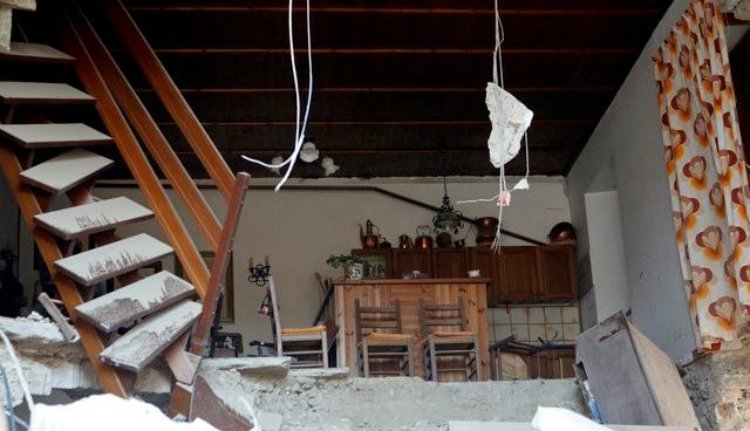
"The occurrence of such an earthquake in the future must therefore be expected, but it is impossible to say when it will happen,” explained Szabolcs Harangi.
„This is especially significant as we go up the magnitude scale, i.e. there is a dramatic difference between a magnitude of 5 and 7 – in the latter case there can be serious damage.

said the university lecturer. As he put it, if an earthquake of around magnitude 7 occurs, then, as described above, it causes a strongly felt effect, a state of danger, and potentially destruction over a large area. He added that such a large earthquake occurs on average 2-5 times per century, i.e. every 20-50 years. "If we look at the frequency of earthquakes, we see that there are more intense (when earthquakes stronger than magnitude 7 occur) and less intense periods.
The occurrence of such an earthquake in the future must therefore be expected, but it is impossible to say when it will happen,” explained Szabolcs Harangi.
The Hungarian volcanologist drew attention to the fact that earthquakes cannot be predicted.
said Szabolcs Harangi.
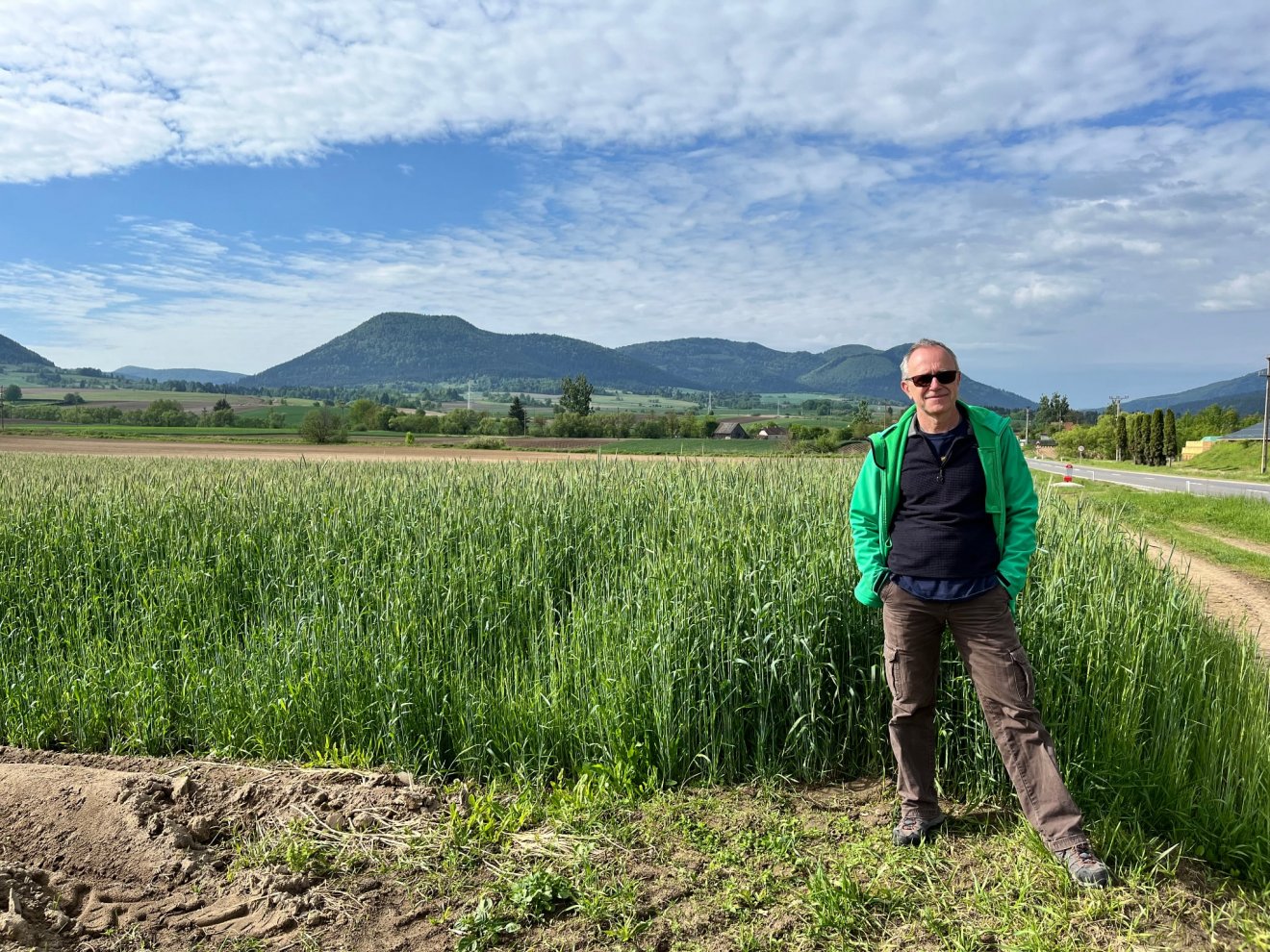
According to geologist and volcanologist Szabolcs Harangi, although there may still be magma under Csomád in Székelyföld, there is no danger of the volcano erupting
Fotó: Lukács Réka
He explained that scientific research by geologists and geophysicists can provide clues, as they reveal which areas are at risk of earthquakes and are vulnerable, where the risk is, what kind of earthquakes are expected, and how likely they are to occur. „We can rely on scientific results and conclusions in preparation, and this works effectively in many places around the world.
I must also add that in our current world there are many people who believe that they can predict earthquakes by citing such and such reasons. According to the current state of science, this does not work – it is important that the population listens to the experts. There are now applications that immediately indicate nearby earthquakes – it is worth using these too,” the geologist advised.
Although the precise timing is not known, a more intense period can be expected for the Vrancea region in the future, so it is not a bad idea to prepare for possible earthquakes. Szabolcs Harangi said:
„Although the results of scientific studies suggest that there may still be magma under the volcano (this is the case under many long-dormant volcanoes on Earth), this does not pose an immediate threat; there are currently no signs that the volcano will erupt. If events were to occur in the magma reservoir that could cause a volcanic eruption or magma were to push towards the surface, there would be noticeable signs of this. Although there are no sensitive monitoring instruments on Csomád, such a magmatic process would probably be detected by current instruments”, explained the volcanologist. He added that there was a tsunami in the Black Sea in 1901, but not due to the earthquake in the Vrancea region, but due to the 7.2 magnitude earthquake in Balchik, Bulgaria.
Iratkozzon fel hírlevelünkre, hogy elsőként értesüljön a hírekről!
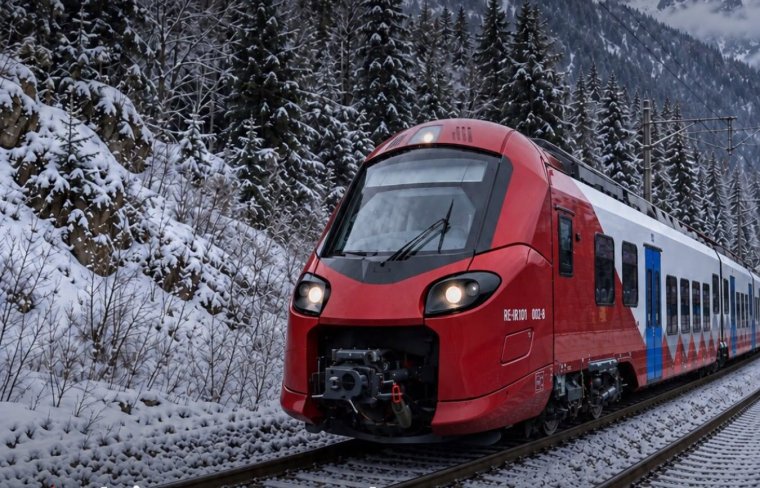
Vasárnaptól új elektromos vonatok közlekednek a Brassó–Székelyföld–Déda–Kolozsvár útvonalon, december 1-jétől pedig Kolozsvár és Temesvár között is indulnak járatok Déván keresztül.
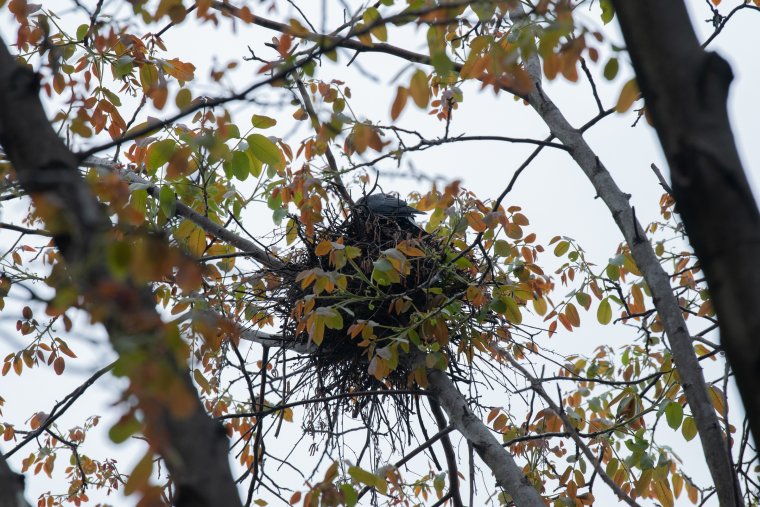
Hosszú évek után megkezdődhet a belvárost megszálló varjúpopuláció ritkítása Aradon: a polgármesteri hivatal megkapta a környezetvédelmi minisztérium jóváhagyását több mint 130 fészek eltávolítására.
Az Országos Meteorológiai Szolgálat szombaton kiadott előrejelzése szerint vasárnap estig havazásra, hóviharokra, erős szélre és országszerte jelentős lehűlésre lehet számítani. Erdélyben kemény fagyokat jósolnak.

Arad megyében 130 rókát és 20 aranysakált lőnek ki annak érdekében, hogy ellenőrizzék az őszi veszettség elleni oltáskampány hatékonyságát.

Tiltakozik az önálló székelyföldi közigazgatási régió terve ellen a tömbmagyar régióban élő románokat tömörítő Kovászna, Hargita és Maros Megyei Románok Civil Fóruma. A civil szervezet felszólítja a román államot, védje meg a székelyföldi románok jogait.
Eddig sem működött, ezután sem fog menni, hogy valaki megrendel egy menüt Budapesten, és mi azt elfogyasztjuk úgy, ahogy van – reagált Kelemen Hunor a Tisza-kormány részéről érkező elvárásokra a Krónika podcastjában.

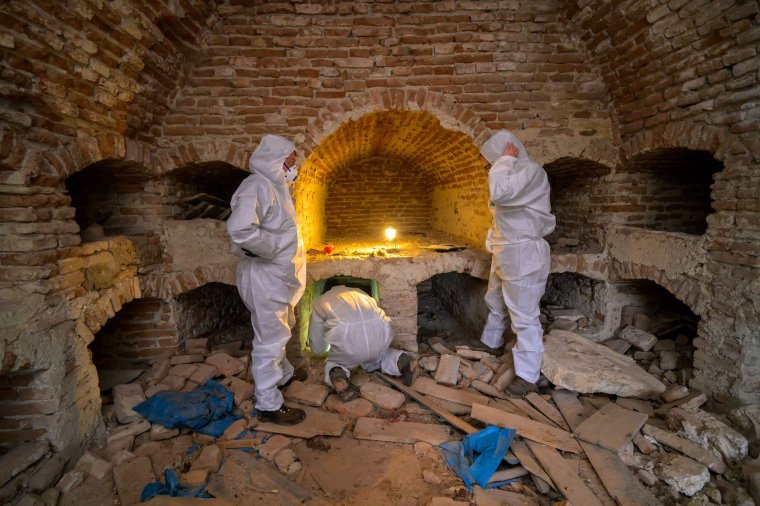
Feltört temetkezési fülkék, szétszedett koporsók, összekeveredett csontok és eltűnt koponyák: ez fogadta a szakembereket a Makray család Hunyad megyei, felpestesi sírboltjában.
Újabb katonai toborzási kampányt indított a román védelmi minisztérium: december 9-éig országszerte 139 önkéntes tartalékos beosztásra várják a jelentkezőket. A hadsereg személyi állományának feltöltése továbbra is komoly kihívást jelent a szaktárcának.

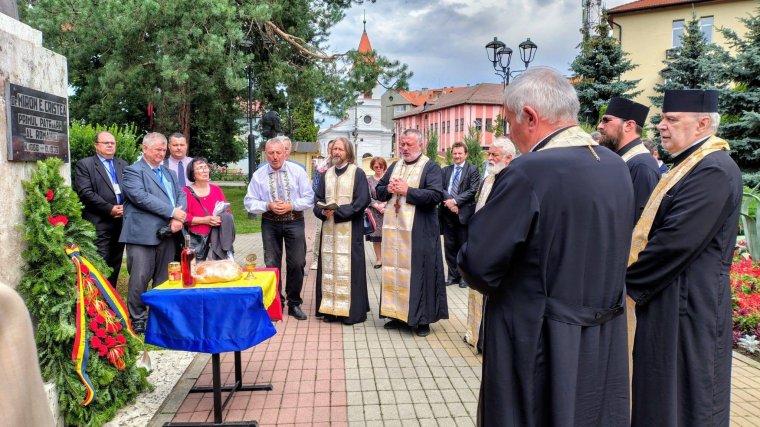
Kínában született, Brazíliában nőtt fel, Bukarestben tanult, november elején pedig Kolozsváron szentelték pappá. Dionisie Kenan Wang a Román Ortodox Egyház első kínai származású lelkésze, és most magyarul szeretne megtanulni.

Sajtótájékoztató keretében írta alá pénteken Csíkszereda polgármestere, Korodi Attila a Székely Nemzeti Tanács (SZNT) székelyföldi közigazgatási régiót kezdeményező petícióját.





 Látogatottsági adatok

szóljon hozzá!